
Unleash the Power of Diamond Saw Blades in Stone Processing: A Comprehensive Guide
Table of Contents 1. The Basics of Diamond Saw Blades 2. Understanding Diamond Blade Composition 3. Types of Diamond Saw Blades 4. Choosing the Right Blade for Stone Processing 5. Tips for Maximizing Diamond Blade Performance 6. Frequently Asked Questions (FAQs) 7. Conclusion 1. The Basics of Diamond Saw Blades 1.1 Introduction to Diamond Saw Blades Diamond saw blades are revolutionary tools in st
Release Time:
2023-08-26 09:40
1. The Basics of Diamond Saw Blades
2. Understanding Diamond Blade Composition
3. Types of Diamond Saw Blades
4. Choosing the Right Blade for Stone Processing
5. Tips for Maximizing Diamond Blade Performance
6. Frequently Asked Questions (FAQs)
7. Conclusion
1. The Basics of Diamond Saw Blades
1.1 Introduction to Diamond Saw Blades
Diamond saw blades are revolutionary tools in stone processing, offering unmatched precision and efficiency. They are widely used in various applications such as cutting, shaping, and polishing stones. Understanding the basics of diamond saw blades is crucial for harnessing their power effectively.
1.2 How Diamond Saw Blades Work
Diamond saw blades utilize industrial-grade diamonds embedded in the blade's cutting edge. These diamonds, known for their exceptional hardness, create a superior cutting surface that can effortlessly slice through even the toughest stones. The blade's circular shape allows for smooth and continuous cutting motion, minimizing vibrations and ensuring precise cuts.
2. Understanding Diamond Blade Composition
2.1 The Role of Diamonds in Diamond Saw Blades
Diamonds are the key component of diamond saw blades, providing the cutting power. These diamonds are synthetic and meticulously engineered to possess exceptional hardness and durability. They are securely bonded to the blade's cutting edge, ensuring longevity and consistent performance.
2.2 Blade Segments and Core Materials
Diamond saw blades consist of segments and core materials. The segments contain the embedded diamonds and are responsible for cutting, while the core provides stability and support. The composition of the segments and core materials can vary, depending on the specific application and stone type.
3. Types of Diamond Saw Blades
3.1 Continuous Rim Blades
Continuous rim blades feature a solid edge with diamonds continuously placed along the circumference. They provide exceptionally smooth cuts and are ideal for delicate stone processing tasks such as shaping and trimming.
3.2 Segmented Blades
Segmented blades have gaps between the diamond segments, allowing for better heat dissipation and debris removal. They are highly versatile and suitable for both wet and dry cutting applications.
3.3 Turbo Blades
Turbo blades feature a serrated or wave-like rim design that enhances cutting speed while maintaining precision. They are particularly effective in cutting through harder stones and materials.
4. Choosing the Right Blade for Stone Processing
4.1 Consider the Stone Type
Different types of stones require specific diamond saw blades. Softer stones like marble and limestone are best processed with continuous rim blades, while segmented or turbo blades are more suitable for harder stones like granite and quartzite.
4.2 Blade Size and Arbor Size
Selecting the appropriate blade size and arbor size is crucial for compatibility with your stone processing equipment. Ensure that the chosen blade fits snugly and securely onto your machine to avoid any safety hazards or inefficiencies.
4.3 Wet or Dry Cutting
Consider whether wet or dry cutting is more suitable for your stone processing needs. Wet cutting utilizes water to cool the blade and reduce dust, making it ideal for longer cutting sessions. Dry cutting, on the other hand, offers convenience and doesn't require water, but it generates more dust.
5. Tips for Maximizing Diamond Blade Performance
5.1 Use Proper Cutting Techniques
Adopting the correct cutting techniques can significantly enhance the performance and longevity of your diamond saw blades. Maintain a steady cutting speed, avoid excessive pressure, and ensure proper blade alignment for optimal results.
5.2 Regularly Clean and Inspect Blades
Cleaning and inspecting your diamond saw blades after each use is essential for maintaining their efficiency. Remove any accumulated debris or resin and check for signs of wear or damage. Replace worn-out blades promptly to avoid compromising the quality of your stone processing.
5.3 Store Blades Properly
Proper storage of diamond saw blades is crucial to prevent damage or premature deterioration. Keep them in a dry and secure location, away from direct sunlight and extreme temperatures. Ensure that the blades are properly protected to avoid any accidental contact or impact.
6. Frequently Asked Questions (FAQs)
6.1 What materials can diamond saw blades cut?
Diamond saw blades can cut through a wide range of materials, including stones like granite, marble, quartzite, and limestone. They are also suitable for cutting ceramics, glass, and certain metals.
6.2 How often should I replace diamond saw blades?
The frequency of blade replacement depends on various factors such as usage intensity, stone type, and maintenance. As a general guideline, consider replacing blades when they show signs of significant wear, loss of cutting efficiency, or visible damage.
6.3 Can diamond saw blades be resharpened?
In most cases, diamond saw blades cannot be resharpened. However, some specialized blades may be eligible for resharpening services. Consult with the manufacturer or a professional in the field to determine whether resharpening is possible for your specific blade.
6.4 Can diamond saw blades be used with handheld tools?
Yes, diamond saw blades are compatible with handheld tools such as angle grinders or circular saws. However, ensure that the tool's RPM (rotations per minute) and blade specifications are within the recommended range to ensure safety and optimal performance.
6.5 Can diamond saw blades be used for wet and dry cutting?
Yes, diamond saw blades are versatile and suitable for both wet and dry cutting applications. However, ensure that you choose the appropriate blade type and follow the recommended guidelines for each cutting method.
7. Conclusion
Unleashing the power of diamond saw blades in stone processing opens up a world of possibilities. By understanding their composition, types, and proper usage, you can maximize their efficiency and achieve outstanding results. Remember to choose the right blade for your specific stone type, follow proper cutting techniques, and maintain regular blade care. With the right tools and knowledge at your disposal, you'll be well-equipped to excel in your stone processing endeavors.
Latest News

RICHOICE Catalogue
If you do not have a comprehensive understanding of our products, we have uploaded relevant technical documents for you to download and reference so that you can better understand our product usage and technical parameters
View More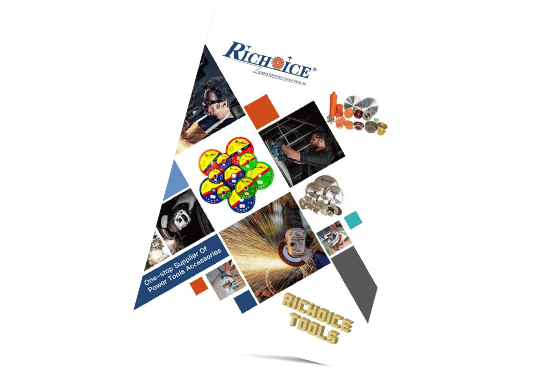


Add official WeChat
Chat with me now
Contact Us
+86 511 85891166 , +86 137 0528 3249
NO.66 Runxing Road, Runzhou Private Economy Development Zone, Zhenjiang, China
 Esperanto
 Shqiptare
 Euskara
 Zulu
 Latinus
 Cymraeg
 தமிழ்
 Slovak
 Slovak
 Afrikaans
