
How to Choose the Right Turbo Diamond Blade for Cutting Porcelain & Quartz
Table of Contents: 1. Introduction: Understanding the Importance of Choosing the Right Turbo Diamond Blade 2. Factors to Consider When Choosing a Turbo Diamond Blade 3. Understanding the Different Types of Turbo Diamond Blades 4. How to Determine the Right Size of Turbo Diamond Blade 5. Selecting the Appropriate Bond for Cutting Porcelain & Quartz 6. Considering the RPM and Feed Rate for Optimal C
Release Time:
2023-10-31 11:00
1. Introduction: Understanding the Importance of Choosing the Right Turbo Diamond Blade
2. Factors to Consider When Choosing a Turbo Diamond Blade
3. Understanding the Different Types of Turbo Diamond Blades
4. How to Determine the Right Size of Turbo Diamond Blade
5. Selecting the Appropriate Bond for Cutting Porcelain & Quartz
6. Considering the RPM and Feed Rate for Optimal Cutting Performance
7. Essential Safety Precautions to Follow When Using Turbo Diamond Blades
8. Frequently Asked Questions (FAQs)
8.1. What is a turbo diamond blade?
8.2. Can a turbo diamond blade cut porcelain and quartz?
8.3. How long does a turbo diamond blade last?
8.4. What is the difference between wet and dry cutting with a turbo diamond blade?
8.5. Can I use a turbo diamond blade on other materials besides porcelain and quartz?
9. Conclusion
1. Introduction: Understanding the Importance of Choosing the Right Turbo Diamond Blade
Choosing the right turbo diamond blade is crucial to achieve precise and efficient cuts on porcelain and quartz materials. Whether you are a professional contractor or a DIY enthusiast, having the appropriate blade can significantly impact the quality and speed of your cutting projects. In this guide, we will explore the factors to consider and the key features to look for when selecting a turbo diamond blade for cutting porcelain and quartz.
2. Factors to Consider When Choosing a Turbo Diamond Blade
Selecting the right turbo diamond blade involves considering several factors to ensure optimal performance and longevity. Here are the key factors to keep in mind:
- Blade Diameter: The blade diameter should match the size of your cutting equipment and the depth of the cuts you need to make.
- Blade Type: Turbo diamond blades are specifically designed for fast and smooth cutting. Consider the type of material you will be cutting and choose a blade with the appropriate diamond concentration and segment design.
- Blade Quality: Look for blades made from high-quality materials with advanced bonding technology. A durable blade will last longer and provide clean, precise cuts.
- Wet or Dry Cutting: Determine whether your cutting application requires wet or dry cutting. Some turbo diamond blades can be used for both methods, while others are designed exclusively for wet or dry cutting.
- Budget: Consider your budget and strike a balance between price and quality. Investing in a high-quality blade may initially be more expensive but can save you money in the long run by delivering superior performance and longevity.
3. Understanding the Different Types of Turbo Diamond Blades
There are various types of turbo diamond blades available, each designed for specific cutting applications. Understanding these types will help you choose the right blade for cutting porcelain and quartz:
- Continuous Rim Turbo Blades: These blades have a continuous rim with turbo segments that provide fast and smooth cuts. They are ideal for cutting porcelain and quartz materials with minimal chipping.
- Segmented Turbo Blades: Segmented turbo blades feature notched segments that allow for improved cutting speed and heat dissipation. They are suitable for cutting through thicker porcelain and quartz slabs.
- Turbo Rim Blades: Turbo rim blades have a serrated rim that enhances cutting speed and helps prevent blade overheating. They are excellent for cutting through hard porcelain and quartz.
- Rim Height: Take into account the rim height of the turbo diamond blade. Higher rim heights provide longer blade life, while lower rim heights offer faster cutting speeds.
4. How to Determine the Right Size of Turbo Diamond Blade
Choosing the correct size of the turbo diamond blade is essential to ensure efficient cutting and prevent damage to your equipment. To determine the appropriate size, consider the following:
- Blade Diameter: Measure the diameter of your cutting equipment's arbor and select a turbo diamond blade with a matching diameter.
- Cutting Depth: Determine the maximum cutting depth you require for your porcelain and quartz materials. Ensure the blade's diameter is sufficient to achieve the desired depth without compromising stability and safety.
5. Selecting the Appropriate Bond for Cutting Porcelain & Quartz
The bond of a turbo diamond blade refers to the material that holds the diamond particles together. Choosing the right bond is crucial for achieving optimal cutting performance on porcelain and quartz. Consider the following bonds:
- Soft Bond: Soft bonds are ideal for cutting hard materials like porcelain and quartz. They provide slower cutting speeds but offer better precision and reduced chipping.
- Hard Bond: Hard bonds are suitable for softer materials. They offer faster cutting speeds but may result in more chipping on hard porcelain and quartz.
6. Considering the RPM and Feed Rate for Optimal Cutting Performance
To achieve the best cutting performance with a turbo diamond blade, it is crucial to consider the recommended RPM (Rotations Per Minute) and feed rate. Following the manufacturer's guidelines will ensure safe and efficient cutting results. Adjusting the RPM and feed rate according to the material being cut can enhance your cutting speed and minimize blade wear.
7. Essential Safety Precautions to Follow When Using Turbo Diamond Blades
When working with turbo diamond blades, safety should be your top priority. Follow these essential safety precautions:
- Wear Protective Gear: Always wear safety goggles, gloves, a face mask, and protective clothing to prevent injuries from flying debris and dust.
- Secure Your Workpiece: Ensure your workpiece is securely clamped or held in place to prevent unexpected movement during cutting.
- Follow Manufacturer Instructions: Read and adhere to the manufacturer's instructions for your specific turbo diamond blade and cutting equipment.
- Use Proper Cutting Techniques: Employ the correct cutting techniques to minimize the risk of accidents and blade damage.
- Regularly Inspect the Blade: Check the blade for any signs of wear or damage before each use. Replace worn-out or damaged blades immediately.
8. Frequently Asked Questions (FAQs)
8.1. What is a turbo diamond blade?
A turbo diamond blade is a type of diamond blade that features turbo segments or a serrated rim. These blades are specifically designed for fast and efficient cutting on various materials, including porcelain and quartz.
8.2. Can a turbo diamond blade cut porcelain and quartz?
Yes, turbo diamond blades are suitable for cutting porcelain and quartz. Their design allows for smooth and precise cuts while minimizing the risk of chipping.
8.3. How long does a turbo diamond blade last?
The lifespan of a turbo diamond blade depends on various factors, including the quality of the blade, the cutting material, and the cutting conditions. A high-quality turbo diamond blade can last for multiple cutting projects, but it is essential to regularly inspect the blade for wear and tear.
8.4. What is the difference between wet and dry cutting with a turbo diamond blade?
Wet cutting involves using water to cool the blade and reduce dust during the cutting process. Dry cutting, on the other hand, does not require water and is suitable for applications where water may not be feasible. Some turbo diamond blades can be used for both wet and dry cutting, while others are designed exclusively for one method.
8.5. Can I use a turbo diamond blade on other materials besides porcelain and quartz?
Yes, turbo diamond blades are versatile and can be used on other materials such as ceramic, granite, marble, and concrete. However, it is essential to choose the appropriate bond and blade type for each specific material to achieve optimal cutting results.
9. Conclusion
Choosing the right turbo diamond blade for cutting porcelain and quartz is crucial for achieving precise, clean cuts. By considering factors such as blade type, size, bond, RPM, and feed rate, you can ensure efficient cutting performance and prolong the lifespan of your blade. Remember to prioritize safety by wearing protective gear and following proper cutting techniques. With the knowledge gained from this guide, you can confidently select the perfect turbo diamond blade for your cutting needs and achieve exceptional results.
Latest News

RICHOICE Catalogue
If you do not have a comprehensive understanding of our products, we have uploaded relevant technical documents for you to download and reference so that you can better understand our product usage and technical parameters
View More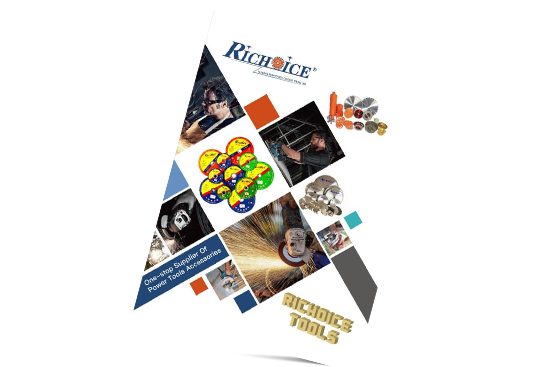


Add official WeChat
Chat with me now
Contact Us
+86 511 85891166 , +86 137 0528 3249
NO.66 Runxing Road, Runzhou Private Economy Development Zone, Zhenjiang, China
 Esperanto
 Shqiptare
 Euskara
 Zulu
Zulu
 Latinus
 Cymraeg
 தமிழ்
தமிழ்
 Slovak
 Slovak
 Afrikaans
