
10 Tips for Choosing the Right Large Abrasive Cutting Wheel
Table of Contents: 1. Understanding the Importance of Choosing the Right Cutting Wheel 2. Types of Large Abrasive Cutting Wheels 3. Factors to Consider When Choosing a Cutting Wheel 4. Understanding Cutting Wheel Specifications 5. Safety Features to Look for in a Cutting Wheel 6. Compatibility Considerations for Large Abrasive Cutting Wheels 7. Tips for Maintaining and Extending the Lifespan of Cu
Release Time:
2024-02-04 12:20
1. Understanding the Importance of Choosing the Right Cutting Wheel
2. Types of Large Abrasive Cutting Wheels
3. Factors to Consider When Choosing a Cutting Wheel
4. Understanding Cutting Wheel Specifications
5. Safety Features to Look for in a Cutting Wheel
6. Compatibility Considerations for Large Abrasive Cutting Wheels
7. Tips for Maintaining and Extending the Lifespan of Cutting Wheels
8. Common Mistakes to Avoid When Choosing a Cutting Wheel
9. Frequently Asked Questions (FAQs)
10. Conclusion
Choosing the right cutting wheel is crucial for achieving accurate and efficient cuts in your metalworking or fabrication projects. A well-suited cutting wheel ensures optimal performance, reduces downtime, and enhances safety. By following these 10 tips, you'll be able to select the perfect cutting wheel for your specific requirements.
There are various types of large abrasive cutting wheels available, each designed for different applications. Common types include bonded abrasive wheels, diamond cutting wheels, and abrasive metal cutting wheels. Understanding the characteristics and strengths of each type will help you choose the most suitable one for your cutting needs.
Before making a decision, it's important to consider several factors. These include the application, material type and thickness, desired cut quality, and operating conditions. By analyzing these factors, you can narrow down your options and choose a cutting wheel that meets your specific requirements.
To make an informed decision, it's essential to understand the specifications of cutting wheels. These specifications include the wheel diameter, thickness, arbor size, maximum RPM (Revolutions Per Minute), and material compatibility. By matching these specifications with your cutting machine and requirements, you can ensure optimal performance and safety.
Safety should always be a priority when working with cutting wheels. Look for cutting wheels with reinforced cores, flanges, and guards to minimize the risk of breakage and flying debris. Additionally, consider wheels with labels indicating their compliance with safety standards such as ANSI (American National Standards Institute).
Ensure that the cutting wheel you choose is compatible with your cutting machine. Consider factors such as the arbor size, wheel thickness, and maximum RPM. Using an incompatible cutting wheel can lead to poor performance, increased wear on the wheel, and potential accidents.
Proper maintenance and care can significantly extend the lifespan of your cutting wheel. Some essential tips include storing the wheel in a dry and protected area, avoiding extreme temperatures and humidity, and regularly inspecting the wheel for any signs of damage or wear. Additionally, following the manufacturer's guidelines for usage and storage will help maximize the cutting wheel's lifespan.
While selecting a cutting wheel, it's important to avoid common mistakes that can lead to subpar results or safety hazards. Examples of these mistakes include choosing a wheel solely based on price, neglecting to consider the material type and thickness, and using an incompatible wheel. By being aware of these mistakes, you can make a well-informed decision.
Q1: What is the difference between a bonded abrasive wheel and a diamond cutting wheel?
Q2: Can I use a cutting wheel designed for ferrous metals on non-ferrous materials?
Q3: How often should I replace my cutting wheel?
Q4: Are there any safety precautions I should take when using a cutting wheel?
Q5: Can I use a large abrasive cutting wheel for precision cutting?
Choosing the right large abrasive cutting wheel is crucial to achieving precise and efficient cutting results. By considering factors such as the type of wheel, cutting specifications, safety features, and compatibility, you can make an informed decision. Remember to prioritize safety and proper maintenance to ensure the longevity of your cutting wheel. With these 10 expert tips, you'll be well-equipped to select the perfect cutting wheel for your needs and achieve outstanding cutting performance.
Latest News

RICHOICE Catalogue
If you do not have a comprehensive understanding of our products, we have uploaded relevant technical documents for you to download and reference so that you can better understand our product usage and technical parameters
View More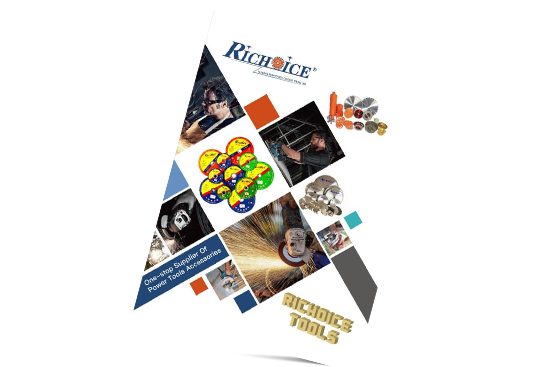


Add official WeChat
Chat with me now
Contact Us
+86 511 85891166 , +86 137 0528 3249
NO.66 Runxing Road, Runzhou Private Economy Development Zone, Zhenjiang, China
 Esperanto
 Shqiptare
 Euskara
 Zulu
Zulu
 Latinus
 Cymraeg
 தமிழ்
தமிழ்
 Slovak
 Slovak
 Afrikaans
