
Unlocking the Power of TCT Saw Blades: A Comprehensive Guide for Industrial Applications
TCT (Tungsten Carbide Tipped) saw blades are a crucial tool in the industrial cutting sector, offering exceptional cutting performance and durability. Constructed with a core material typically made from high-speed steel, these blades feature tips composed of tungsten carbide, which is renowned for its hardness and wear resistance. This unique combination allows TCT saw blades to efficiently cut t
Release Time:
2024-12-17 10:20
One of the most significant advantages of using TCT saw blades is their longevity. Unlike standard steel blades, TCT saw blades maintain their sharpness longer due to the robust nature of tungsten carbide. This longevity translates to reduced downtime for blade replacements and less frequent sharpening, ultimately leading to cost savings in both labor and materials.
When selecting a TCT saw blade, consideration should be given to several factors, including the type of material being cut, the desired finish, and the specific cutting application. Different tooth configurations—such as flat top grind, alternate top bevel, or triple chip grind—provide varying cutting results. For example, a flat top grind is suitable for making quick rip cuts in wood, while a triple chip grind produces cleaner cuts in hard materials such as laminates or aluminum.
Understanding the RPM (revolutions per minute) rating of a TCT saw blade is crucial for safe and effective operation. Each blade is designed to perform optimally within a specific RPM range, so exceeding this limit can lead to blade damage or failure, posing safety risks. Moreover, using the correct feed rate during cutting will ensure that the blade operates within its designed parameters, maximizing its lifespan and efficiency.
Proper maintenance is another critical aspect of using TCT saw blades. After each use, it is advisable to clean the blade to remove any resin or debris that may have accumulated during cutting. Regularly inspecting the blade for any signs of wear or damage will help identify when it’s time for sharpening or replacement, further ensuring safety and performance.
In conclusion, TCT saw blades are an indispensable tool in various industrial applications, known for their durability, efficiency, and versatility. By understanding the different types, their applications, and maintenance requirements, users can maximize their cutting performance while minimizing operational costs. Whether you are cutting wood, plastic, or metal, investing in high-quality TCT saw blades is essential to achieving optimal results in your cutting projects.
Latest News

RICHOICE Catalogue
If you do not have a comprehensive understanding of our products, we have uploaded relevant technical documents for you to download and reference so that you can better understand our product usage and technical parameters
View More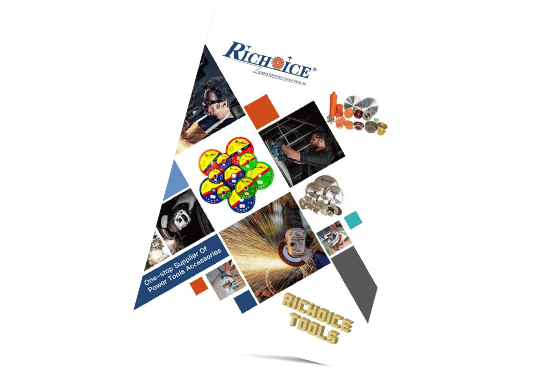


Add official WeChat
Chat with me now
Contact Us
+86 511 85891166 , +86 137 0528 3249
NO.66 Runxing Road, Runzhou Private Economy Development Zone, Zhenjiang, China
 Esperanto
 Shqiptare
 Euskara
 Zulu
 Latinus
 Cymraeg
 தமிழ்
 Slovak
 Slovak
 Afrikaans
